Allied Health Professionals
A Trauma-Informed, Neurobiological Approach to Healing Chronic Pain and Sensory Dysregulation
Welcome, and thank you for your interest in understanding the framework behind The Nervous System Blueprint.
The Nervous System Blueprint is a trauma-informed program that supports clients in resolving chronic symptoms by restoring balance to the autonomic nervous system.
Developed by Strategic Psychotherapist Trevor Shipton—who resolved his own chronic pain using the same principles—the program offers a practical, evidence-informed approach to healing chronic conditions through nervous system regulation.
The method integrates somatic practices, breathwork, subconscious rewiring tools, and neuroplasticity-informed education to gently recalibrate the body’s perception of safety and reduce chronic pain, fatigue, emotional reactivity, and functional symptoms.
The Nervous System Blueprint is delivered over 8 weeks but is designed to offer the therapeutic density of a 12-month journey, guiding clients through progressive stages of nervous system education, emotional recalibration, and physiological re-regulation.
The Philosophy Behind the Program
At its core, The Nervous System Blueprint treats chronic pain—and a wide range of other chronic conditions too—as the symptom of a hypersensitive nervous system.
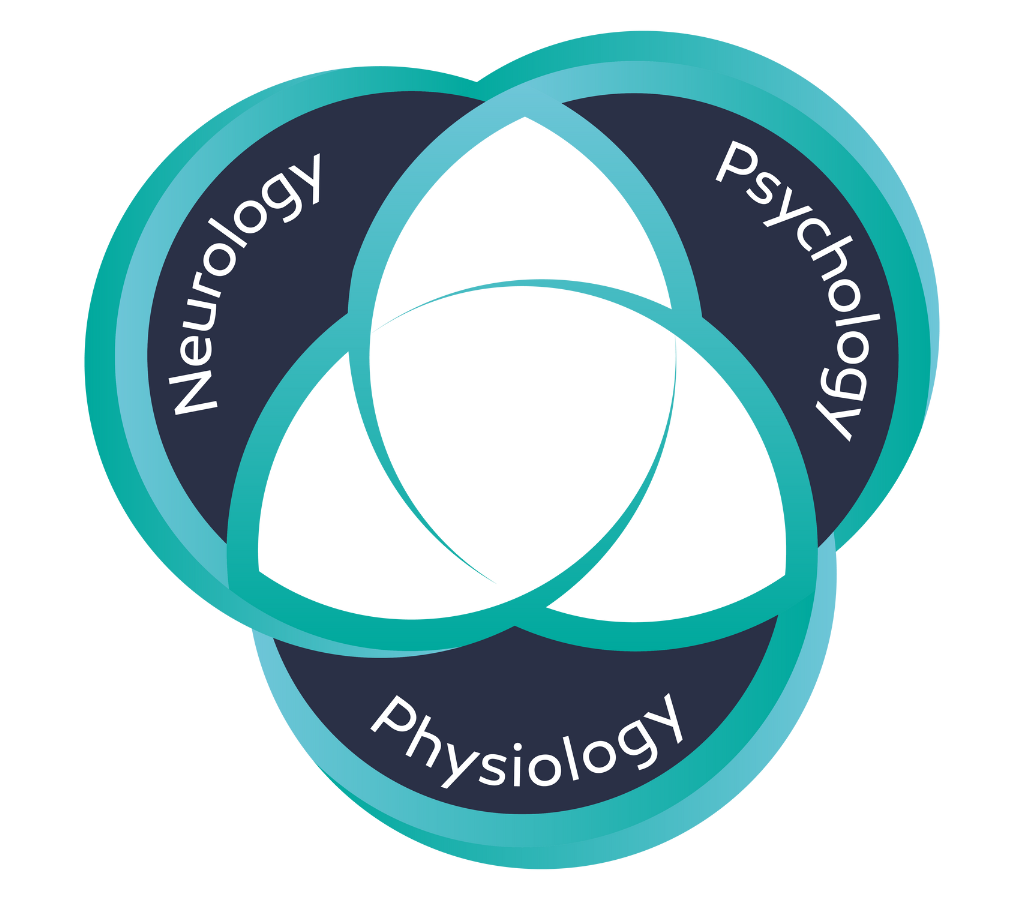
Based on decades of research, clinical experience, and personal transformation, the program addresses chronic dysregulation through what Trevor calls The Trinity Healing Method—a synergistic model that integrates:
- Neurology: Regulating Nervous System Activity
- Psychology: Retraining Subconscious Survival Responses
-
Physiology: Creating Biochemical and Sensory Conditions for Healing
“When we combine Neurology, Psychology, and Physiology, and give the body what it needs to feel safe, outcomes improve across the board”
Trevor Shipton
A Somatic and Neuroplasticity-Based Intervention
The Nervous System Blueprint is grounded in the principle that chronic pain and many other long-term conditions are not just physical or psychological—they are nervous system states. These states reflect a system that has been trapped in a protective pattern of hypervigilance.
When a body perceives threat—consciously or subconsciously—it releases stress chemistry (cortisol, adrenaline, noradrenaline), which feeds into a loop of inflammation, tension, altered perception, and system fatigue.
The program offers a clear framework and guided path out of this loop using tools that shift both bottom-up sensory input and top-down interpretive processes.
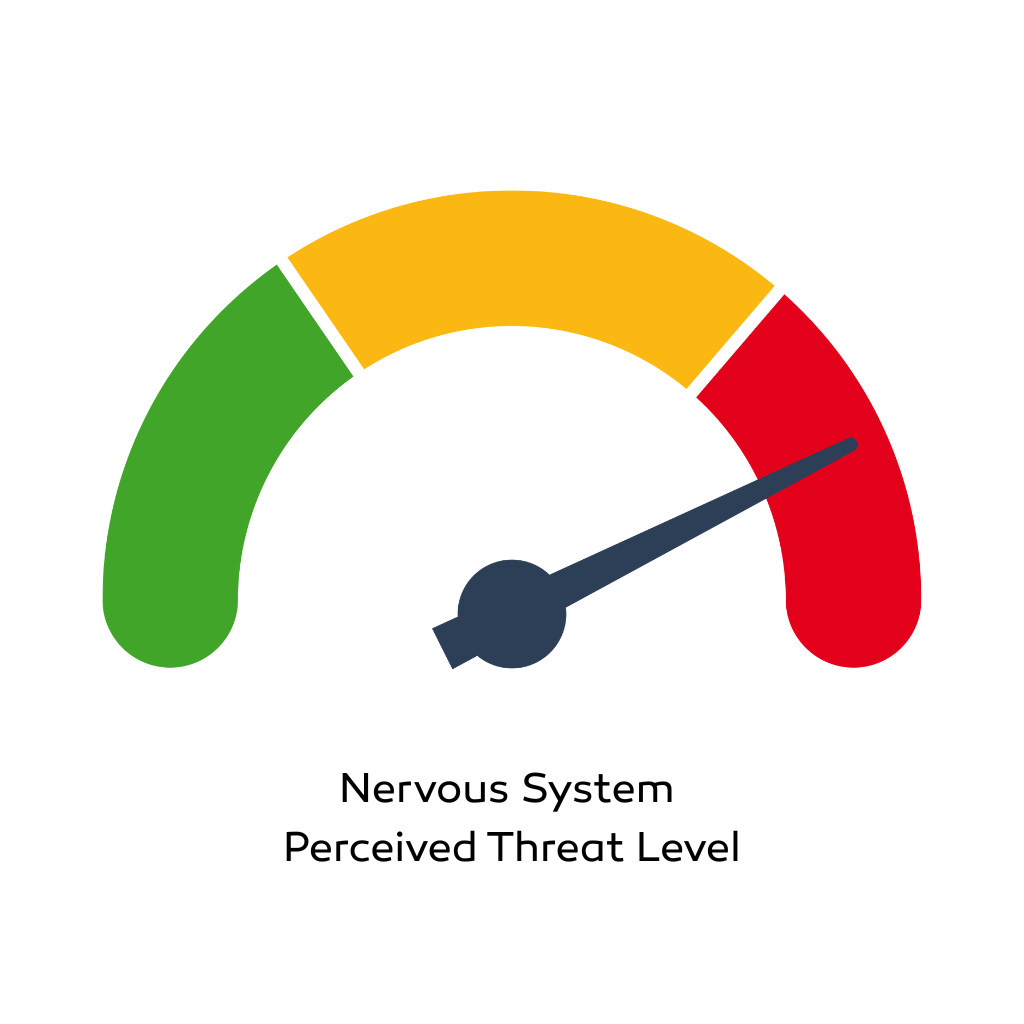
“The pain loop is real—but so is the healing loop. One starts with threat, the other starts with safety.”
Trevor Shipton
Modalities Integrated into the Program
This multi-modal approach bridges the gap between physical, emotional, and energetic dimensions of healing through the Trinity Healing Method—a framework developed by Trevor Shipton that aligns three interdependent domains of recovery:
Neurology – Restoring autonomic balance, enhancing vagal tone, calming the brainstem, and supporting progressive skill acquisition through neuroplastic change.
Psychology – Repatterning beliefs, resolving emotional blocks, and updating subconscious responses to promote adaptive patterns of thought and behaviour.
Physiology – Supporting the body’s natural healing states through gentle movement, functional breathing, and biochemical balance.
Together, these elements provide a structured, integrative framework for nervous system regulation and long-term resilience.
Integrated Modalities and Evidence-Based Techniques
Clinical Hypnotherapy and Strategic Psychotherapy
Combines evidence-based psychotherapy with hypnotic techniques to help clients access focused states of attention, reframe unhelpful patterns, and create measurable behavioural and neurological change.
Strategic Coaching
A goal-oriented approach that bridges insight and action, helping clients clarify values, identify direction, and implement sustainable change.
Buteyko Clinic Method and Functional Breathing
Clinically recognised breath retraining that reduces over-breathing, restores optimal CO₂ balance, and supports autonomic regulation—enhancing calm, focus, and physiological efficiency.
QiGong and Somatic Micro-Movement
Gentle, rhythmic movements coordinated with breath to enhance vagal tone, balance the autonomic system, and build embodied awareness. These practices promote regulation through movement rather than stillness.
Mindfulness, Somatic Mindfulness, and Yoga Nidra
Evidence-based awareness practices that strengthen attention, improve interoception, and restore cues of safety—helping clients regulate stress responses and access restorative states.
Neuro-Linguistic Programming (NLP)
Cognitive tools for reorganising internal representations and facilitating adaptive emotional, behavioural, and perceptual responses.
Emotional Freedom Technique (EFT)
Acupoint tapping combined with focused attention to reduce amygdala activation, lower physiological stress responses, and support emotional integration.
Psychoeducation on Polyvagal Theory and Pain Neuroscience
Provides clients with a clear, mechanistic understanding of how the brain and body interact—empowering self-regulation and adherence through insight and practice.
These modalities are delivered in a structured, integrative sequence that complements allied health care and supports sustainable nervous system regulation.
“Most people don’t need more effort—they need more regulation.”
Trevor Shipton
Referenced Thinkers & Frameworks
The methodology is informed by—and in dialogue with—the work of a range of progressive thinkers and practitioners, including:
- Stephen Porges (Polyvagal Theory)
- Gabor Maté (Trauma and Chronic Illness)
- Bessel van der Kolk (Somatic trauma resolution)
- Dr. Lorimer Moseley (Neuroscience of pain)
- Bruce Lipton (Mind-body epigenetics)
It also aligns with emerging models in functional medicine, psychoneuroimmunology, and trauma-informed care.
“What if the pain isn’t the problem… but the invitation?”
Trevor Shipton
Referrals and Collaboration
If you’re an allied health practitioner working with clients affected by chronic pain, fatigue, stress-related conditions, or trauma-linked symptoms, The Nervous System Blueprint may be a valuable complement to your work.
This program is designed to provide a safe, structured pathway for nervous system regulation—supporting clients between sessions, deepening self-awareness, and helping stabilise the body and mind for ongoing therapeutic or rehabilitative work.
Whether you’re looking to refer clients for nervous system support, explore collaboration, or simply understand how this model may integrate with your field, you can:
- Download the eBook “How to Heal Chronic Pain”
- Contact Trevor directly for collaborative discussion or referrals
“When the nervous system finds safety, every form of care becomes more effective.”
Trevor Shipton